
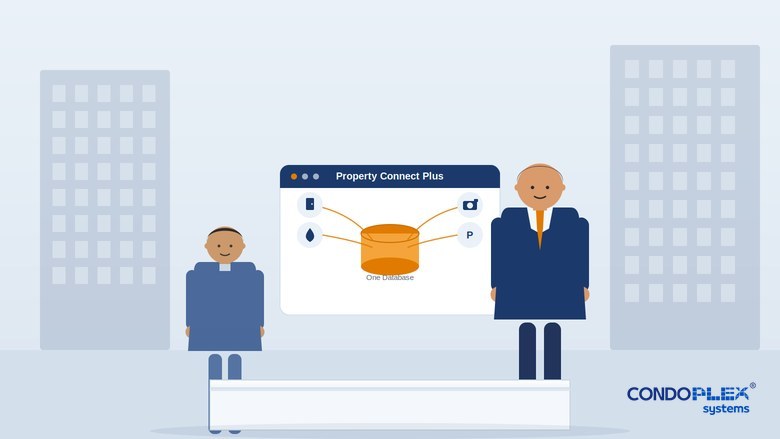
Most buildings run on a patchwork — the intercom is one vendor, the cameras are another, access control and parking and water sensors each bolted on separately. That gap matters more than ever, because AI is only as good as the data it can see.

In the fast-paced world of technology and security, the access control industry is always evolving. With the rise of new tech, there's also an increase in misconceptions about how these systems work, their efficiency, and their necessity. Today, we're setting the record straight by debunking some of the most common myths surrounding access control.

Because every device on a Condoplex-equipped property shares one server and one database, authorized staff can manage credentials, review events and administer the system from anywhere — without losing local resilience if the connection drops. Here's what that means for boards and property managers in practice.

Video earns its cost in buildings without a staffed lobby or with heavy package traffic; audio remains a sound choice for smaller buildings and those with an on-site concierge already screening visitors. Here's how to weigh the two, and why the choice doesn't have to be all-or-nothing.

The COVID-19 pandemic has reshaped the world in many ways, and one of the most profound changes has been in the way we think about buildings and their design. As we move forward into a post-pandemic era, the focus on creating smart, adaptable, and resilient buildings has gained unprecedented momentum. The integration of technology into building design, known as smart building design, has evolved to meet new challenges and expectations. In this article, we will explore the post-pandemic shift in smart building design and its implications for the future of architecture and construction.

Building automation is a significant evolutionary leap in the management and operation of modern infrastructure. With roots tracing back to the early thermostat and lighting control systems, the field has advanced to incorporate smart, Internet-enabled devices, data analytics, and machine learning. The benefits are tangible: cost savings, energy efficiency, security, and an elevated level of comfort for the inhabitants. In this essay, we will explore the key elements of building automation, delve into its numerous advantages, examine the underlying technologies, and discuss the ethical and environmental implications.
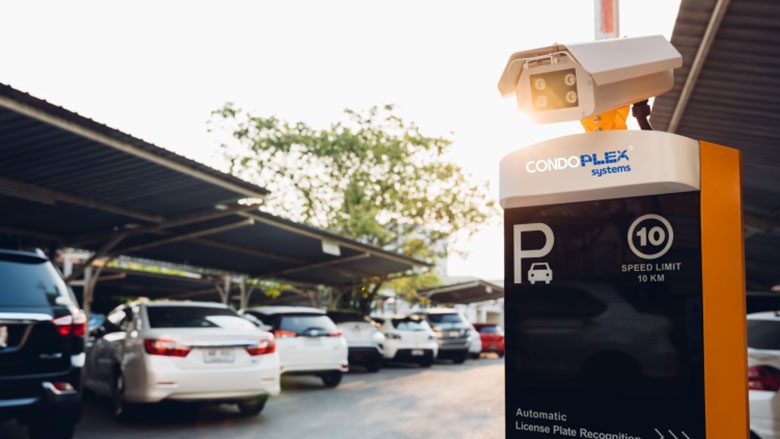
Parking is often the unsung hero of building management—crucial but usually overlooked. As cities become more congested, and real estate becomes a premium commodity, the need for efficient and automated parking systems is becoming evident. And who better to lead this revolution than Condoplex, with its next-generation software suite, Property Connect Plus? This article delves into how automated parking systems are transforming smart buildings and how Property Connect Plus is driving this change.

Machine learning is transforming numerous industries, and the realm of property management and smart buildings is no exception. While smart buildings already boast a suite of automated features—from energy-efficient lighting to advanced security systems—machine learning algorithms are set to push these capabilities even further. These algorithms not only help optimize existing systems but also introduce new functionalities that redefine what we understand as a "smart" building. In this article, we'll explore some key machine learning algorithms and their applications in smart building management.

Attention, valued customers and partners! We’re on the brink of revolutionizing the smart-building industry with the launch of our most innovative product yet: Property Connect Plus. We have taken the best parts of Condoplex Systems and elevated it to new heights, ensuring seamless and integrated building management like never before.

Condoplex designs and manufactures every system, but a certified dealer installs and services it at your building. Here's how the certification program keeps installation quality consistent across the network, no matter which certified dealer covers your region.

From PIPEDA and resident data privacy to evolving fire and building code requirements, condo boards have compliance obligations that shape how a security system should be designed and operated — not just installed once and forgotten.

The transition towards a more sustainable and environmentally-friendly world isn't limited to sectors like energy, transportation, or manufacturing. Even the realm of access controls, which form the backbone of security in many establishments, is undergoing a green revolution. This article delves into how green technologies are shaping the future of access controls and why this evolution is crucial for our planet and its inhabitants.

The rise of intelligent buildings, where every system is interconnected to optimize functionality and efficiency, marks a significant evolution in the modern built environment. At the forefront of this transformation are security access systems, which serve as a cornerstone in ensuring both safety and seamless operations. However, their true potential is unlocked when they are integrated with other building management solutions. Here’s how and why you should consider such an integration.

In today's increasingly connected world, the digital realm often overshadows discussions about security. While concerns about cybersecurity, data breaches, and online fraud are undoubtedly important, physical security remains an essential pillar in comprehensive protection strategies. Despite our rapid digital progression, the importance of physical security has not diminished; in fact, it's become more critical than ever. Here's why.

The landscape of building access control is rapidly changing, fuelled by the integration of Artificial Intelligence (AI). This new breed of AI-driven security systems promises to revolutionize the way we secure and manage access to our buildings. This blog delves into the fascinating world of AI in access control, exploring its advancements and implications.